
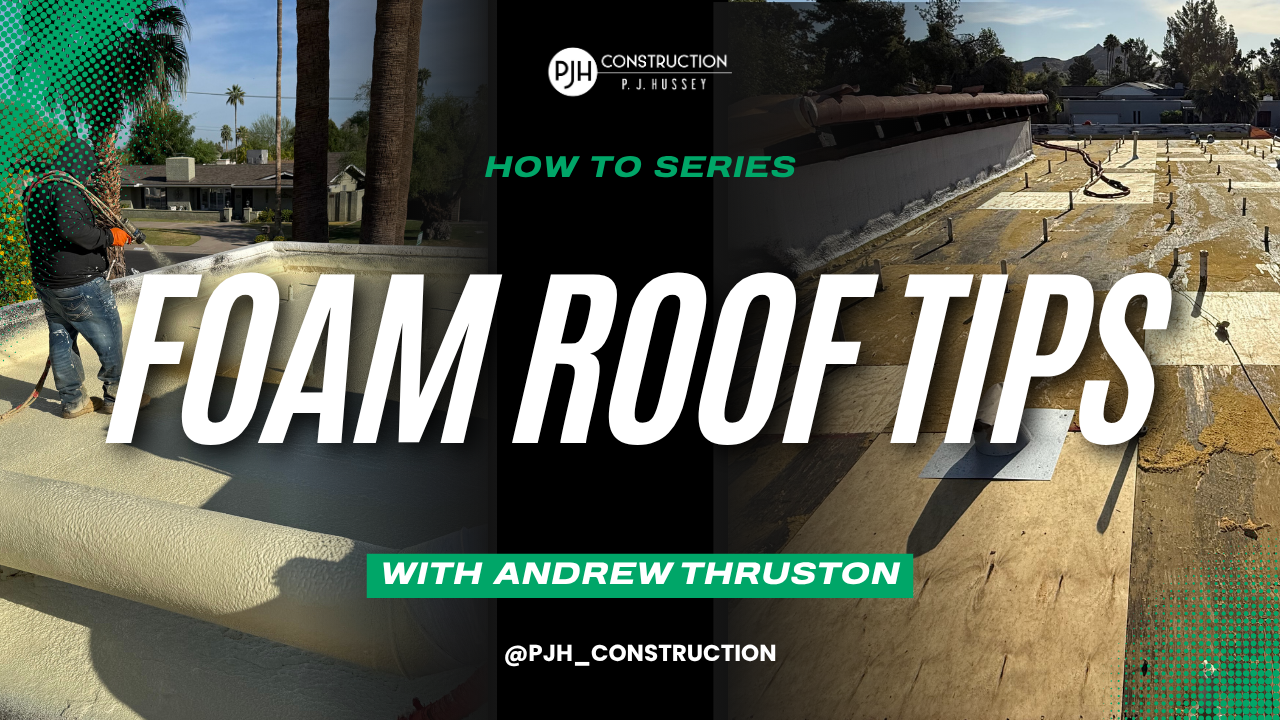
Foam Roof Installation: What to Check Before You Start
Foam roof installation can be an excellent option for flat and low-slope roofs, especially in Arizona. Foam roofing provides insulation, helps improve energy efficiency, and creates a seamless waterproof surface. However, the quality of a foam roof depends heavily on the preparation work completed before the foam is sprayed.
Before starting a foam roof installation, homeowners should understand what needs to be inspected and repaired to help ensure the roof performs as intended for years to come.
Table of Contents
Why Preparation Matters for Foam Roof Installation
One of the most common mistakes in foam roofing is focusing only on the finished product while overlooking the condition of the roof underneath. Foam can only perform as well as the surface it is applied to.
Proper preparation helps improve adhesion, reduce the risk of future damage, and create a stronger roofing system overall. Taking the time to address existing issues before spraying foam can help prevent costly repairs later.
Check the Existing Roof Surface
Before foam is applied, the existing roof surface should be carefully evaluated.
In some cases, contractors may attempt to spray foam directly over an existing elastomeric coating. Because elastomeric coatings can be smooth and slick, they may not provide the ideal surface for proper adhesion.
Applying the appropriate primer before foam roof installation helps create a stronger bond between the existing roof and the new foam system. This additional step can significantly improve the long-term performance of the roof.
Inspect the Roof Deck for Damage
A foam roof should never be installed over damaged or unstable decking.
Any areas of plywood that show signs of water damage, delamination, deterioration, or excessive movement should be repaired or replaced before installation begins. If the roof deck flexes under normal conditions, that movement can place stress on the foam system over time.
A solid and stable substrate creates the foundation for a successful foam roof installation and helps reduce the likelihood of future cracking or damage.
Evaluate Roof Jacks, Flashing, and Vent Pipes
Roof penetrations are some of the most vulnerable areas on any roofing system.
Before installing foam, all roof jacks, flashing, vent pipes, and other metal components should be inspected. Older components may be rusted, damaged, improperly installed, or nearing the end of their service life.
Replacing these items during the roofing project is often far easier and more cost-effective than addressing leaks after the roof is complete.
Proper vent materials should also be verified. For example, hot exhaust vents require the correct type of venting material to ensure long-term performance and safety.
Verify Solar Panel Mounting Hardware
If your home has solar panels, the mounting hardware should be inspected before foam is applied.
Loose or improperly secured mounting points can create problems when the solar panels are reinstalled. Every attachment point should be firmly connected to the roof structure and evaluated for stability.
Addressing these issues before installation helps ensure the roofing system and solar equipment work together properly once the project is complete.
Proper Drainage Is Critical
Water management plays a major role in the success of a foam roof.
During a quality foam roof installation, contractors often create raised areas around roof penetrations to help direct water away from pipes, vents, and flashing. These details help prevent water from ponding around penetrations and encourage proper drainage toward scuppers and drains.
While these features may seem small, they can make a significant difference in the long-term durability of the roof.
Work With an Experienced Roofing Contractor
Foam roofing can be an outstanding roofing solution when installed correctly. However, success depends on much more than simply spraying foam onto a roof.
Proper surface preparation, deck repairs, flashing replacement, drainage planning, and solar hardware inspections all contribute to a roofing system that performs well for years to come.
If you’re considering a foam roof installation, having an experienced contractor evaluate the existing condition of your roof can help identify potential issues before work begins.
Frequently Asked Questions
How long does a foam roof typically last?
A professionally installed and properly maintained foam roof can last 20 years or more. Regular inspections and recoating at recommended intervals can help extend the life of the roofing system.
Can a foam roof be installed over an existing roof?
In some cases, yes. However, the existing roof must be evaluated first. Damaged decking, loose materials, moisture intrusion, and certain roof coatings may need to be repaired or addressed before foam can be applied.
Are foam roofs energy efficient?
Yes. Foam roofing provides excellent insulation and can help reduce heat transfer into the home. This can improve indoor comfort and potentially lower cooling costs, especially in hot climates like Arizona.
How often should a foam roof be inspected?
Most roofing professionals recommend inspecting a foam roof at least once a year and after major storms. Regular inspections can identify small issues before they become costly repairs and help maximize the lifespan of the roof.
Need a Roof Evaluation or Second Opinion?
Whether you’re considering a new foam roof, replacing an aging roof system, or simply looking for a second opinion, P. J. Hussey Construction is here to help.
Contact our team today to schedule a roof evaluation and discuss your options.
Share this article
Follow us
A quick overview of the topics covered in this article.
Latest articles
October 18, 2026
October 18, 2026
October 18, 2026